


Olympus Trip AF
Specifications, film and matching parts.
- Type
- Viewfinder camera
- Production
- from 1984
- Film
- 35 mm
- Battery
- 2× AAA · powers shutter and meter
All batteries for Olympus - Weight
- 210 g
Camera
- Type
- Viewfinder camera
- Production
- from 1984
- Weight
- 210 g
Film
- Film
- 35 mm
- Frame size
- 24 × 36 mm
- Film speed
- ISO 100–400
Lens
- Lens
- Zuiko 35 mm f/3.5
- Focusing
- autofocus
Shutter
- Shutter
- Leaf shutter, electronic
- Shutter speeds
- 1/85 s – 1/250 s
Exposure
- Metering
- separate meter cell (not through the lens) (CdS)
- Exposure modes
- fully automatic
Battery
- Battery
- 2× AAA · powers shutter and meter
All batteries for Olympus
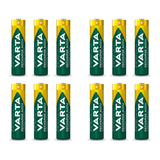
Without batteries the camera can’t take pictures; it needs two AAA batteries. [1]
If there isn’t enough light, the camera locks the shutter release. [1]
Film is advanced with the advance wheel on the back of the camera and rewound with a crank. [1]
Sources
- Olympus Trip AF: Instructions / Gebrauchsanleitung
- List of Olympus products: Trip AF, Einführung 1984
Compiled from manufacturer documents and the sources listed. Found a mistake? Let us know
Similar cameras
-
 Yashica T4from 1992 · 170 g · 35 mm f/3.5vs. Trip AF: 1/700 s instead of 1/250 s
-
 Nikon TW2from 1987 · 310 g · 35 mm f/3.5vs. Trip AF: heavier, 310 g
-
 Ricoh FF-9from 1988 · 220 g · 35 mm f/3.5vs. Trip AF: newer, from 1988
-
 Olympus μ[mju:]-Ifrom 1991 · 170 g · 35 mm f/3.5vs. Trip AF: 1/500 s instead of 1/250 s
-
 Yashica T31988–1991 · 275 g · 35 mm f/2.8vs. Trip AF: faster lens, f/2.8
-
 Canon Sure Shot Maxfrom 1991 · 220 g · 38 mm f/3.5vs. Trip AF: 38 mm instead of 35 mm
-
 Yashica T5from 1995 · 190 g · 35 mm f/3.5vs. Trip AF: newer, from 1995
-
 Olympus AF-1 Twin1988–1992 · 35 mm f/3.5vs. Trip AF: 1/730 s instead of 1/250 s
