


Voigtländer Ultramatic CS
Caractéristiques, pellicule et pièces compatibles.
- Type
- Appareil reflex
- Production
- dès 1965
- Pellicule
- 35 mm
Appareil
- Type
- Appareil reflex
- Production
- dès 1965
Pellicule
- Pellicule
- 35 mm
- Format d’image
- 24 × 36 mm
Objectif
- Monture
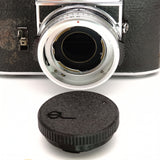
- Voigtländer DKL (Bessamatic/Ultramatic)
- Mise au point
- verre dépoli
Obturateur
- Obturateur
- Obturateur central
- Vitesses
- 1 s – 1/500 s, B
Exposition
- Mesure de la lumière
- mesure TTL (CdS)
- Modes d’exposition
- manuel, priorité vitesse
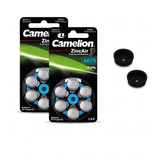
Pile
D’après la notice du fabricant, le passage de l’automatisme au réglage manuel du diaphragme ne doit se faire qu’avec l’obturateur armé. [2]
Après la prise de vue, l’image du viseur ne réapparaît qu’au moment où vous faites avancer le film. [1]
Sources
- Voigtländer ULTRAMATIC CS: Instructions for Use
- Mike Eckman: Voigtländer Ultramatic CS (1965)
- Early Photography: Ultramatic CS, frühe und späte Ausführung
- Frank Mechelhoff: Die Ultramatic-CS
Établi d’après les documents du fabricant et les sources indiquées. Vous avez trouvé une erreur ? Écrivez-nous
Appareils similaires
-
 Pentax Spotmaticdès 1964 · 621 g · M42vs Ultramatic CS : 1/1000 s au lieu de 1/500 s
-
 Minolta SR-T 101dès 1966 · 705 g · Minolta SRvs Ultramatic CS : monture Minolta SR
-
 Honeywell Spotmatic SPdès 1964 · 621 g · M42vs Ultramatic CS : monture M42
-
 Nikon Nikkormat ELdès 1972 · 780 g · Nikon Fvs Ultramatic CS : avec priorité ouverture
-
 Praktica super TL1968–1976 · M42vs Ultramatic CS : plus récent, dès 1968
-
 Nikon F Photomic1962–1966 · 840 g · Nikon Fvs Ultramatic CS : sans mesure TTL
-
 Zeiss Ikon Contaflex Super BC1965–1971 · Contaflex-Bajonett für Satzobjektivevs Ultramatic CS : très similaire
-
 Contax RTSdès 1975 · 700 g · Contax/Yashicavs Ultramatic CS : sans priorité vitesse
